
20 Oct How to Easily Onboard Equipment Operators With Clear Maintenance Responsibilities
A new operator’s first shift shouldn’t be the moment anyone works out who checks the machine, who fixes it and who signs off. Yet that’s exactly when gaps show up. HR sits in a useful spot here: it owns job descriptions, training records and onboarding, so it can settle responsibilities in writing before the keys change hands.
This guide walks through the pieces in the order a new hire meets them, from role boundaries to a documented handover.
Define Role Boundaries Before the First Shift
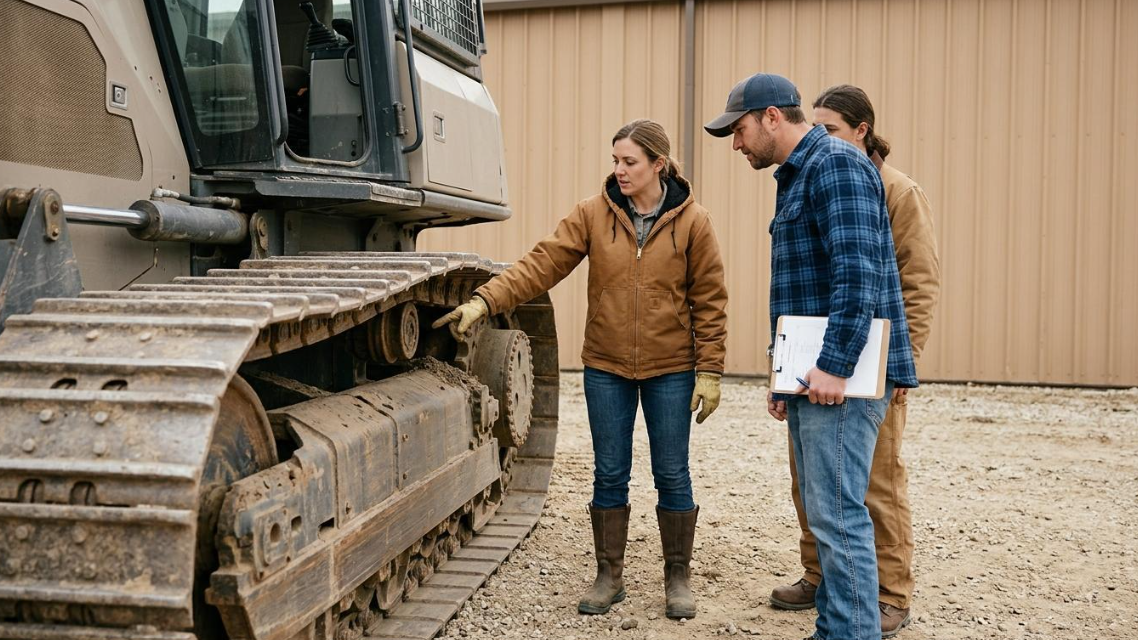
Start with the job description. Operators run the machine and carry out the checks and routine tasks assigned to them. Maintenance technicians repair and service it. Supervisors approve work and decide when a machine stays parked. When these lines blur, people either do too little because they assume someone else has it, or too much because nobody told them to stop.
Write the boundary in plain words, then confirm the new hire has read it. A short sign-off page works well, and it gives HR something concrete to point to later if responsibilities are questioned.
A one-page responsibility sheet for a new operator should cover:
- Daily checks the operator carries out
- Routine tasks the operator may perform
- Faults that must be reported, and to whom
- Work reserved for qualified technicians
- The supervisor who approves anything else
Keep that list short enough to remember. If an operator can’t recite their own duties after a week, the document is too long.
Use Manufacturer-Led Familiarization for Each Machine
General experience doesn’t replace machine-specific familiarization. Controls, warnings and inspection points differ between makes and models, and the manufacturer’s manual is the dependable starting point. Plan time for the operator to go through it with a competent person, ideally on the actual machine they’ll use.
HR’s role is to schedule that session before independent work begins and record who led it. Supervised practice comes first, and independent operation follows only once a qualified person is satisfied. Treat the manual as part of onboarding, not as something left in the cab.
Set Clear Fault Reporting Duties
Operators are usually the first to notice that something feels wrong: a new noise, a leak, a control that responds oddly. Make it easy and expected to say so. The procedure should state what counts as a fault, who receives the report, and how quickly it must be made.
A workplace policy from one university, for example, expects pre-use inspections before each use and immediate reporting of defects, with the equipment kept out of service until repairs are done. That principle carries across to other machines.
HR should also make clear that reporting is never penalized. If people fear blame, small faults stay quiet until they become big ones.
| Top Tip: Ask each new operator to walk through a fault report on paper before their first shift, using an invented example such as an unusual noise. It takes minutes, shows exactly who receives the report and what details to include, and makes speaking up feel routine rather than awkward. |

Alt text: Two people reviewing a binder at a wooden table in a plain room
Specify Who May Authorize and Perform Maintenance
This is the section onboarding packs most often leave vague. Decide, in writing, which tasks an operator may do, which need a qualified technician, and who approves anything beyond the operator’s remit. Where the line is unclear, the safer default is to refer the work on. For hydraulic systems especially, follow the manufacturer’s manual and let qualified technicians handle repairs, including depressurization and lockout.
Once an operator’s maintenance duties are defined, the written procedure should also name who approves replacement parts and checks that they suit the specific machine. For a mini excavator fleet, the approver might check the machine’s make and model against listings such as mini excavator parts from HW Part Store. Confirm fit details on the current product page before authorizing the work, rather than assuming similar models match.
Keeping an Approval Record
Record each approval with a name and date. That record answers the awkward question of who said yes, and it keeps unplanned purchases from slipping through. Anything outside the operator’s remit goes to a qualified technician, and the log shows it did.
Schedule Refresher Training and Competence Checks
One induction doesn’t last forever. Skills fade, machines change and habits creep in. Build refresher training into the calendar rather than waiting for a problem. Some regulations set a regular evaluation cycle, and refresher training after an accident or near-miss is expected where an operator has been seen working unsafely or is assigned a different type of machine.
HR can track these dates and trigger reviews when a role changes. Pair training with a brief observed check so competence is shown, not assumed.
Set refresher reviews to trigger when:
- A scheduled review date arrives
- The operator is moved to a different machine
- An accident or near-miss occurs
- A supervisor observes unsafe operation
- Workplace conditions change
Check your local rules for the exact requirements, since they vary by region and equipment type.
Document Handovers So Responsibility Stays Traceable
When a machine passes from one operator to the next, or from operator to maintenance, something should be written down. A simple handover note covers the machine’s condition, open faults, work already approved and anything the next person should watch.
Without it, the next shift starts from guesswork. With it, HR and supervisors can trace what was known, when and by whom. Keep the format short so it actually gets used, and store it with the training and approval records so everything about one machine and its operators sits in one place.
Put Responsibilities in Writing Before the Operator Starts
The pattern across every section is the same: decide early, write it down and check it later. Clear boundaries, manufacturer-led familiarization, easy fault reporting, defined maintenance authority, scheduled refreshers and tidy handovers together make a new operator’s first day calmer for everyone.
A practical place to begin is the next hire. Draft the one-page responsibility sheet, agree it with the supervisor and the maintenance lead, and let that sheet become the template for every operator after.
Frequently Asked Questions
Who should carry out maintenance on equipment?
Operators carry out only the checks and routine tasks assigned to them, while qualified maintenance technicians handle repairs and servicing. Anything beyond the operator’s remit, including hydraulic repairs, goes to a qualified technician, with a supervisor approving the work.
What should an operator do if they notice a fault?
Report it to the person named in the fault reporting procedure, within the time the procedure sets, and keep the equipment out of service until repairs are done. Reporting should never be penalized, so small faults get raised before they become big ones.
How often do operators need refresher training?
Build refreshers into the calendar with a scheduled review date, and trigger extra reviews when an operator moves to a different machine, after an accident or near-miss, when unsafe operation is observed or when workplace conditions change. Exact requirements vary by region and equipment type, so check your local rules.
What goes in an equipment handover note?
A simple handover note covers the machine’s condition, open faults, work already approved and anything the next person should watch. Keep it short and store it with the training and approval records for that machine.
No Comments