09 Dec How HR Teams Drive Success In Advanced Manufacturing Environments
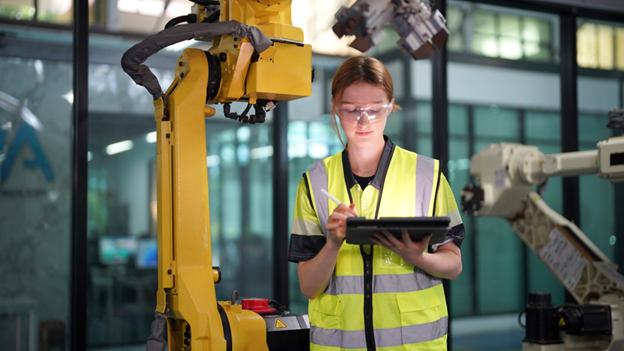
Walk onto any manufacturing floor these days, and you’ll barely recognize it compared to ten years back. Gone are the days of purely mechanical operations. Now you’ve got smart machines everywhere, automated systems running the show, and digital workflows controlling production. This massive shift means HR in advanced manufacturing needs to transform at the same breakneck pace.
Sure, technology powers operational gains, but here’s the thing: it’s still your people who make or break the entire operation. HR departments are now focused on finding the right skilled talent, managing complex schedules, and supporting employees as they adapt to fast-changing processes every day.
How Advanced Manufacturing Changes Everything for HR Strategy
When traditional production methods gave way to Industry 4.0, the entire game changed for what manufacturers expect from their people teams. Human resources manufacturing industry experts now wrestle with problems that simply weren’t on anyone’s radar back when paper timesheets ruled the world.
Think you can still rely on posting job ads and running annual reviews? Not in settings where production priorities flip every week. Manufacturing operations demand agile staffing approaches that grow during busy periods and adapt when you launch new product lines. HR teams forecast staffing requirements months out while staying nimble enough to change course when market forces shift without warning.
What HR Actually Needs to Accomplish in Manufacturing
Modern HR support for manufacturing reaches way beyond traditional hiring and payroll functions. HR professionals now build safety cultures from the ground up, create learning paths for brand-new technologies, and leverage data analytics to stop turnover before it starts. You’re strategic partners who grasp both production numbers and what keeps employees engaged, connecting factory floor practicalities with what executives expect to see.
For instance, Thermoforming companies depend on precision, operational consistency, and a highly skilled workforce to meet growing industry demands. That’s why strong HR leadership is essential from day one, ensuring the right talent and processes are in place to keep production efficient, safe, and competitive.
For businesses searching for thermoforming companies near me, the ability to meet demanding production standards and adapt to complex operational challenges is essential. By prioritizing workforce engagement, training, and compliance, HR drives productivity and innovation, ultimately helping advanced manufacturing companies maintain a competitive edge in a fast-changing industry.
Managing Your Manufacturing Workforce Strategically
Smart workforce management in manufacturing means HR balances operational requirements against employee well-being while getting teams ready for tech disruptions. This goes deeper than keeping positions staffed, you’re creating resilient teams that actually flourish when change becomes constant.
Getting Ready for New Technology
When you’re rolling out new equipment or software platforms, HR spearheads workforce preparation. You evaluate what skills people have today, spot the gaps, and organize training before systems launch. Companies implement specialized processes to tap their expertise, better understand technical demands, and build training programs matching industry benchmarks. This forward-thinking approach stops production slowdowns and shortens the learning curve when fresh technology arrives.
Creating Teams That Work Across Functions
Smart factories depend on workers who shift between roles as production needs change. HR develops cross-training initiatives that produce adaptable team members running multiple systems. This versatility becomes critical when someone calls in unexpectedly or seasonal rushes force rapid reassignment of talent across different production zones.
Allocating Resources on the Fly
Modern workforce platforms give HR clear visibility into attendance trends, skill inventories, and production calendars. These systems enable fast decisions about overtime distribution, temp staffing requirements, and shift modifications. When your essential machine operator phones in sick, HR instantly identifies qualified backups instead of desperately hunting for coverage.
Closing the Skills Gap in Manufacturing Today
No challenge hits manufacturing HR harder than the expanding skills gap. Technology races forward, making yesterday’s training outdated and forcing organizations into perpetual catch-up mode.
Spotting Critical Skill Shortages
Smart manufacturers run regular skills audits mapping current abilities against tomorrow’s needs. HR teams examine job requirements for emerging positions, think automation technicians or data analysts, and stack them against existing workforce capabilities. This gap analysis shows where immediate upskilling must focus and which positions need outside recruitment.
Building Training Programs That Actually Work
Training can’t interrupt production flow, so the HR role in manufacturing processes includes designing learning programs that mesh with operational schedules. Bite-sized learning modules, practical workshops during shift transitions, and VR simulations let workers gain new abilities without stepping off the facility floor. HR collaborates with equipment suppliers and technical colleges delivering relevant, hands-on training that immediately improves job performance.
Teaming Up with Training Specialists
Most manufacturers lack in-house expertise for training people on bleeding-edge technologies. HR forges relationships with community colleges, trade schools, and tech providers delivering specialized instruction. These partnerships establish pipelines for fresh talent and ongoing education for current employees, keeping your workforce in step with technological progress.
Digital Tools Revolutionizing Manufacturing HR
Digital solutions have become non-negotiable for HR teams overseeing complex manufacturing workforces. The right technology combination streamlines administrative headaches while delivering insights, driving strategic choices.
Platforms That Analyze Your Workforce
Modern HRIS systems monitor everything from attendance patterns to training completion, feeding HR actionable intelligence about workforce movements. These platforms pinpoint which departments suffer high turnover, which skills run scarce, and how training investments affect productivity. Analytics shift HR from reactive troubleshooting to a proactive strategy that prevents problems before they touch production.
Systems That Handle Scheduling Automatically
Managing multiple shifts across different skill levels creates scheduling chaos without proper technology. Automated systems factor in worker certifications, availability preferences, labor laws, and production demands to generate ideal schedules. They warn managers about potential conflicts and recommend adjustments to maintain coverage while respecting worker preferences and compliance standards.
Tools That Track Performance
Real-time performance monitoring helps supervisors give immediate feedback and acknowledge wins right away. Digital systems capture metrics covering safety compliance, quality benchmarks, and efficiency goals, building objective records supporting fair performance reviews. This openness fosters trust while helping HR spot high-potential employees deserving of development opportunities.
Taking Manufacturing HR Into the Future
The evolution of HR in advanced manufacturing isn’t something you can ignore, it’s about survival. Organizations empowering HR to drive workforce strategy, invest in learning infrastructure, and embrace data-driven planning will gain a competitive edge through their people. Those hanging onto outdated administrative approaches will stumble as technology requirements grow more intricate.
Manufacturing excellence depends equally on human capital strategy as production capability now. HR professionals embracing this broader role become builders of operational success, demonstrating that even in smart factories, people still make all the difference.
Your Questions About Manufacturing HR Answered
How does HR handle resistance to automation among manufacturing workers?
HR tackles automation worries through honest communication about how technology improves rather than eliminates roles. They deliver thorough training building confidence with new systems and spotlight career advancement opportunities emerging from technological progress, cutting fear through education and participation.
What makes manufacturing workforce planning different from other industries?
Manufacturing demands exact coordination of specialized skills, equipment availability, and production timetables that can’t absorb staffing holes. HR balances strict operational demands with worker flexibility while juggling shift work, safety certifications, and quickly evolving technical abilities that don’t exist in standard office settings.
Why should manufacturers invest in HR technology during tight budgets?
HR technology cuts expensive turnover, prevents overtime costs, and boosts productivity through smarter workforce allocation. The payoff shows up through fewer hiring errors, lighter administrative loads, and data-informed decisions aligning labor expenses with production output, making it necessary rather than nice-to-have during financial pressure.
No Comments