
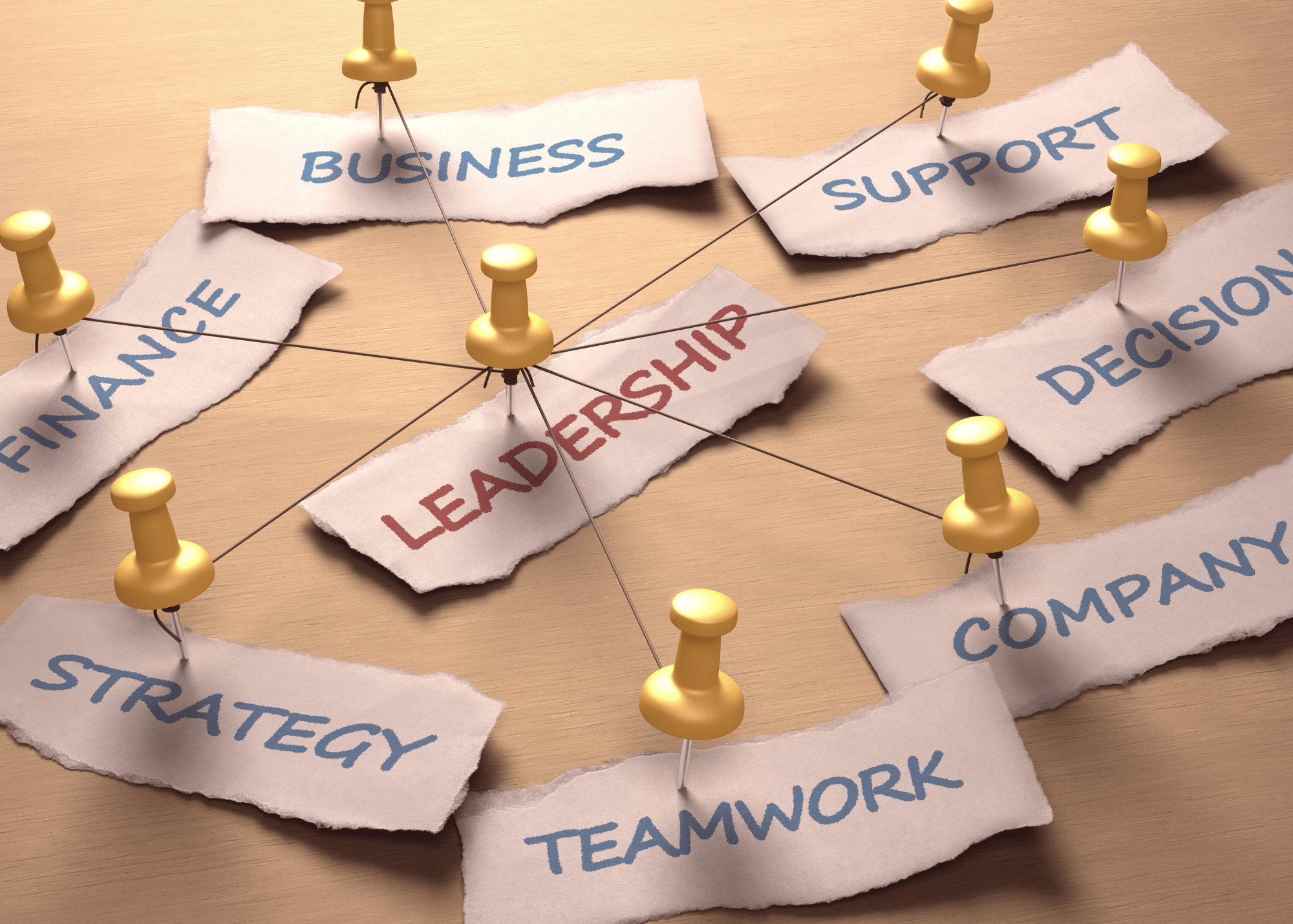
16 Jan Leadership Development As An HR Responsibility
Strong leadership grows from steady practice and clear purpose. HR teams guide this growth through steady support and thoughtful structure. Their work shapes leadership culture and gives rising talent a fair chance to learn and improve.
Why HR Shapes the Leadership Path
HR plays a key role in building skill pathways that last. Training plans align with real work needs so leaders gain tools that help in daily tasks. This creates steady progress rather than short bursts of inspiration. A shared system also keeps the whole workforce moving in the same direction which reduces mixed signals and uneven expectations.
Modern learning habits also affect how leaders absorb new knowledge. Some teams study real case stories from an e library such as zlibrary to spark ideas and broaden perspective. HR groups often weave such habits into learning plans so leaders stay curious and open to fresh insight. This approach builds patience and keeps each learner grounded in real world thinking.
A smooth transition into deeper training often calls for a closer look at practical leadership moments. These moments reveal habits that shape team trust and morale. Once HR identifies these patterns they can offer guidance in a way that feels steady rather than forced. That sense of stability encourages leaders to try new methods without fear. Below lies a short set of themes that often guide this work:
- Emotional steadiness
Emotional steadiness helps leaders respond with clarity during tense situations. HR mentors show how steady breathing mindful reflection and careful listening anchor a team during tough moments. This trait becomes a lighthouse on stormy days and keeps teams from drifting apart. When leaders show calm under pressure trust grows stronger and everyday tasks feel lighter for everyone involved.
- Strategic thinking
Strategic thinking helps leaders lift their gaze above daily tasks. HR coaches train leaders to study patterns spot weak points and imagine long term outcomes. This habit prevents rushed choices that send projects in circles. It also encourages leaders to ask better questions because strong strategy seldom appears in one flash of inspiration. Instead it forms through steady practice and honest reflection.
- Clear communication
Clear communication works like a bridge between intent and action. HR teams help leaders shape messages that carry meaning without noise. This includes pacing tone and word choice. Leaders learn to match language to context so teams feel informed rather than overwhelmed. Once this skill takes root it often becomes a signature trait that defines a leader’s presence and influence.
These themes grow stronger when paired with real practice. HR can create safe rooms for trial runs so leaders experiment with new methods before using them in fast paced environments.
Turning Training Into Daily Habits
Formal sessions help yet leadership development thrives when small habits take hold. HR can guide leaders to spot tiny moments that matter such as how they open meetings or how they respond to setbacks. These micro moments shape the tone of whole teams and reveal the heart of a leader’s style.
Building a Culture That Outlives Any One Leader
Leadership development becomes sustainable when HR builds systems that continue even when people move on. Shared routines open dialogue and steady reflection help every new leader step into a familiar rhythm. This keeps the culture strong and ensures that progress survives the test of time.
No Comments