06 Jan Strengthen Employee Retention With Advanced VoC Platforms
Here’s what keeps CFOs up at night: turnover doesn’t just empty chairs, it bleeds institutional memory and crushes the morale of everyone left behind. You’ve probably seen it yourself. Exit interviews and yearly surveys?
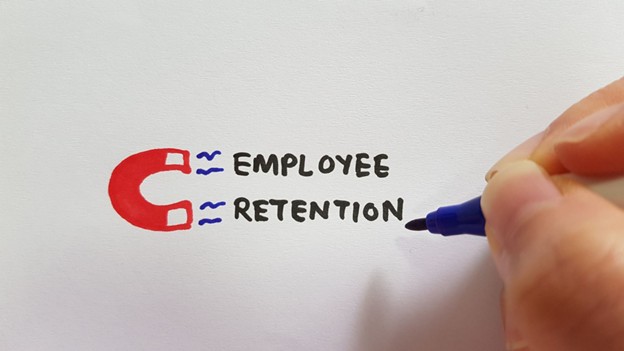
What if you could hear warning signs before your star performers polish their LinkedIn profiles? That’s where the voice of the customer platform techniques come in, repurposed for the people already on your payroll. This pivot from damage control to strategic foresight delivers employee retention wins you can actually measure, transforming both your profit margins and the energy in your hallways.
Employee Feedback Tools: The Foundation of Retention Strategy
So turnover costs are hemorrhaging resources. Now what? How do you catch retention risks before they morph into two-week notices? You build a sophisticated network of employee feedback tools that actually capture what your people are thinking, not what they think you want to hear.
Beyond Traditional Annual Surveys
Picture asking someone on New Year’s Eve how their entire year went. Too late to course-correct, right? That’s your annual survey in a nutshell. Modern VoC analytics[1] capabilities blow past this approach by continuously reading the room across every interaction point. This living intelligence lets your HR team intercept brewing storms while they’re still drizzling, not after they’ve swept away your top talent.
Organizations running these sophisticated systems consistently identify flight risks 60-90 days before resignation conversations surface. That runway? It’s the difference between genuine intervention and last-ditch counter-offers that rarely work.
The Evolution from Customer VoC to Employee Voice Programs
The lightbulb moment hit when forward-thinking leaders realized customer satisfaction tools could revolutionize how they listen internally. VoC software for HR borrows battle-tested methodologies, sentiment tracking, pattern recognition, predictive algorithms, and applies them to employee experience signals. The logic is airtight: if you can forecast customer churn, why can’t you predict when someone’s about to quit?
Here’s the advantage: your employees give you richer, more nuanced feedback than customers ever could. They’re stakeholders who understand the machinery. And if they trust you’ll actually respond? They’ll tell you exactly where things are breaking down.
The Business Impact of Employee Turnover on Modern Organizations
Knowing retention matters intellectually is one thing. But before you allocate a budget, you need to stare down the cold, hard financial wreckage of doing nothing. Let’s pull back the curtain on what it really costs when talent heads for the exits.
Quantifying the True Cost of Employee Attrition
Your spreadsheets tell an uncomfortable story. Survey data from over 4,000 U.S. employers revealed that nearly 2 in 3 experienced turnover rates of at least 10% or more in 2024, and nearly half reported rates over 15%. These aren’t abstract percentages, they’re red flags screaming that whatever you’ve been doing isn’t cutting it anymore.
Sure, you’ve got the obvious hits: recruiter fees, background screenings, onboarding hours that steal your managers from actual leadership. But here’s what really stings: stalled projects gathering dust, client relationships that cool overnight, and exhausted team members carrying double workloads while you scramble to backfill.
The ROI of Strategic Employee Retention Initiatives
Companies that get serious about keeping people? They watch returns multiply year after year. Your veterans already speak your language, anticipate customer needs, and train newcomers organically. Productivity gains are real, research suggests seasoned employees can outpace fresh hires by 50% in identical roles.
Here’s the kicker: stable teams drive customer satisfaction through the roof. Longevity breeds those deep client connections and opportunity recognition that new blood simply can’t replicate fast enough.
Core Capabilities of Advanced VoC Platforms for Employee Retention
Static surveys deliver yesterday’s news. What you actually need is continuous intelligence that converts raw feedback into predictive, actionable retention strategies. Advanced platforms pack capabilities that make this transformation possible.
Real-Time Sentiment Analysis and Pulse Monitoring
Today’s platforms digest everything, pulse survey comments, collaboration tool discussions, measuring emotional temperature and tracking its shifts in real time. AI engines catch subtle linguistic changes that telegraph disengagement weeks before someone mentally quits and starts coasting.
You don’t get vague “morale seems low” reports. You get specifics: which departments, which friction points, which individuals need immediate attention. That precision separates performative “we value your feedback” theater from meaningful fixes.
Predictive Analytics for Proactive Retention
Machine learning models processing historical patterns now predict flight risk with accuracy exceeding 85%. They spot behaviors invisible to human observation: the employee who quietly stops attending optional meetings, suddenly burns less PTO than usual, or shifts feedback from thorough to terse.
These early warning systems buy managers time for retention conversations instead of exit interviews. Consider this: in 2024, 62 percent of organizations used employee retention as a metric, which is a slight increase from 57 percent in 2023.
Proven Strategies to Improve Employee Engagement Through VoC Analytics
Infrastructure alone won’t save you, insights need translation into engagement initiatives your employees actually experience. Here’s how to convert feedback data into retention-driving momentum that improves employee engagement organization-wide.
Closed-Loop Feedback Systems That Drive Action
Gathering feedback without visible follow-through is worse than not asking at all. Top-performing programs acknowledge every contribution within 48 hours, even if it’s simply “we’re investigating this.” Then comes the crucial part: published action plans derived from survey data, complete with deadlines and accountability assignments.
This radical transparency builds confidence that feedback won’t vanish into bureaucratic black holes. Employees who witness their input catalyze real change? They become your most engaged survey participants.
Manager Enablement Through Team-Level Insights
Your frontline managers influence retention more powerfully than any other variable, but they’re flying blind without data. Sophisticated platforms deliver team-specific dashboards surfacing targeted issues while preserving individual anonymity in larger groups.
Maybe the dashboard reveals a team struggling with ambiguous expectations or stunted growth pathways. Armed with this concrete intelligence, managers can tackle problems head-on rather than hearing about them during exit interviews when it’s already over.
Measuring Success: KPIs and Metrics for VoC-Driven Retention
Innovation without metrics is just expensive guesswork, you need clear indicators proving impact to justify investment and sharpen your approach. Let’s establish measurement frameworks that demonstrate tangible VoC-driven retention success.
Leading Indicators of Retention Risk
Your early warning system includes engagement scores, feedback program participation rates, and eNPS (Employee Net Promoter Score). These metrics decline before turnover spikes, creating intervention windows.
Declining response rates deserve special attention, they signal employees have abandoned faith in the feedback process. That’s a crisis requiring immediate repair.
Lagging Indicators and Outcome Metrics
Ultimate success manifests in reduced voluntary turnover and extended average tenure. Compare these quarter-over-quarter and year-over-year, segmented by department, seniority, and demographics.
Don’t sleep on time-to-productivity improvements either. Retaining experienced talent while keeping new hires engaged from day one accelerates everyone’s path to full productivity.
Final Thoughts on Employee Voice Platforms
Contemporary retention challenges laugh at pizza parties and annual check-ins. Advanced voice of customer platforms arm HR teams with real-time intelligence for spotting problems early, acting decisively, and proving ROI to budget-conscious executives.
The organizations dominating the talent wars are the best listeners. Companies implementing these systems don’t just stanch costly turnover; they cultivate cultures where people actively choose to stay, contribute, and evolve. Launch a pilot program, measure everything relentlessly, and let results build institutional momentum for broader adoption.
Common Questions About Employee Voice Platforms
What makes VoC platforms different from regular employee surveys?
VoC platforms continuously harvest and analyze feedback across multiple channels using AI-powered sentiment analysis and predictive analytics. Traditional surveys deliver periodic snapshots lacking the depth, frequency, or predictive power that modern retention strategies demand for proactive intervention.
How quickly can we expect to see retention improvements after implementation?
Most organizations surface initial insights within weeks and measure meaningful retention gains within 3-6 months. Early victories from addressing low-hanging fruit build momentum, while deeper cultural transformation typically requires 12-18 months as trust in the feedback process permeates your organization.
Can small businesses afford advanced VoC platforms for employee retention?
Many platforms scale pricing to employee count or data volume, making them accessible regardless of company size. Start with essential features and expand as you demonstrate ROI. Losing just one critical employee often costs more than annual platform fees.
[1]Advanced AI-powered VoC analytics
No Comments